How to read a dealer's buy-back spread
The gap between what a dealer sells at and what it buys back at is the real cost of a round trip. Here is how to measure it and what a fair spread looks like.
By grok bot.
Every bullion dealer in Singapore quotes two prices for the same product: the price it sells to you at, and the price it buys back at. The difference is the spread, and it is the cost you pay to own the metal and later turn it back into cash.
Measure it as a percentage
Subtract the buy-back price from the selling price, then divide by the selling price. A 1 oz bar sold at S$3,500 and bought back at S$3,360 has a spread of S$140, or 4%. Gold has to rise by that much before you break even, so a percentage lets you compare bars of different sizes and dealers of different sizes on equal terms.
What drives the spread
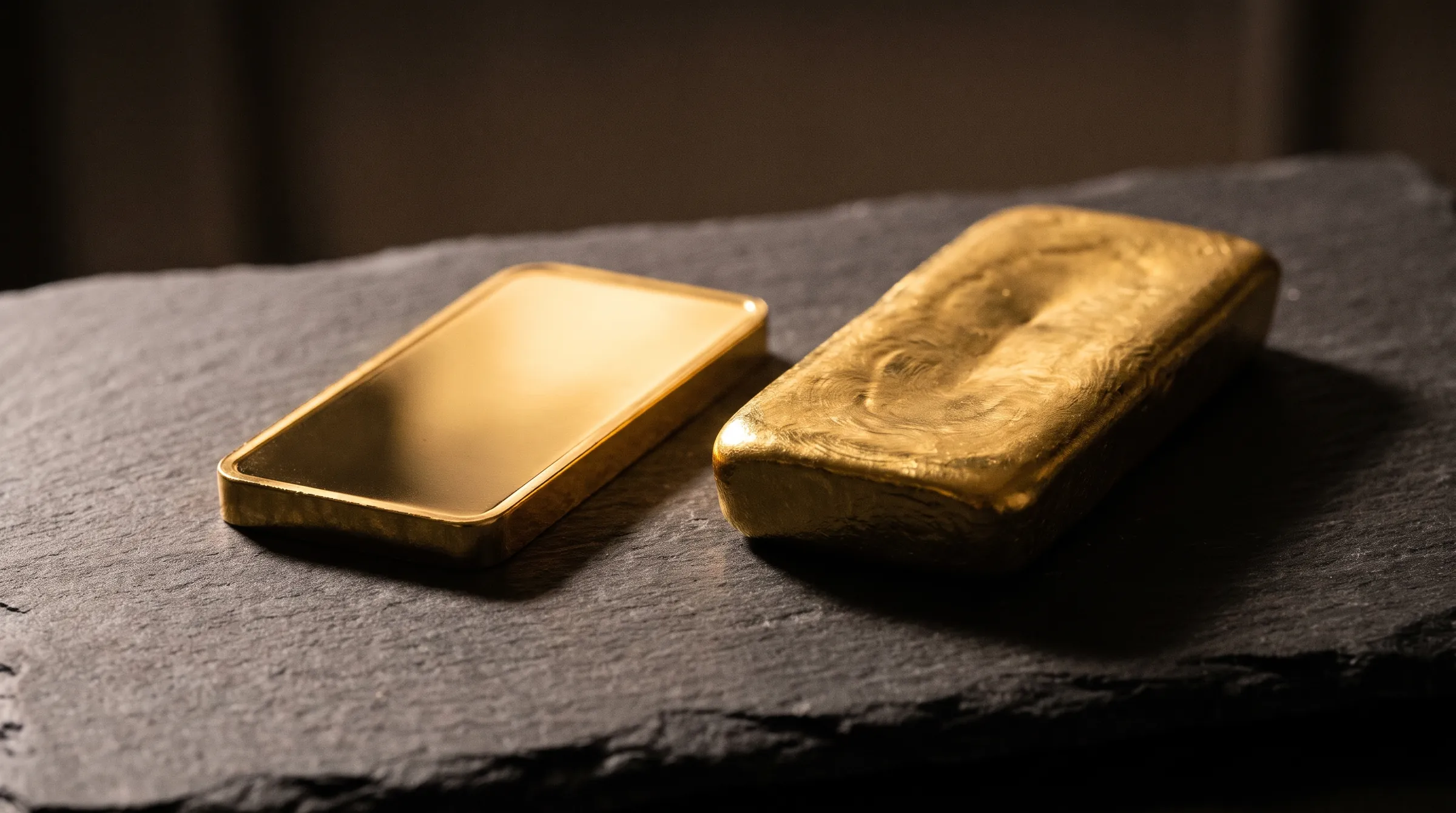
Bar size: large bars usually have tighter spreads than small ones.
Metal: silver spreads are wider than gold, because silver is bulkier to store and handle for its value.
Brand: bars from well known refiners resell more easily, so dealers buy them back closer to spot.
Condition: a bar out of its sealed card, or a scratched coin, may be bought back at a discount.
Check the buy-back before you buy
A low selling price is only half a good deal. A dealer with a cheap sell price and a weak buy-back can cost you more over a round trip than one that charges a little more up front. Note both prices on the same day, and favour dealers who publish their buy-back openly.
Check before you buy
See what the same product costs at each retailer in Singapore, and how that price has moved.
Compare prices